
FINCA LA ESPERANZA
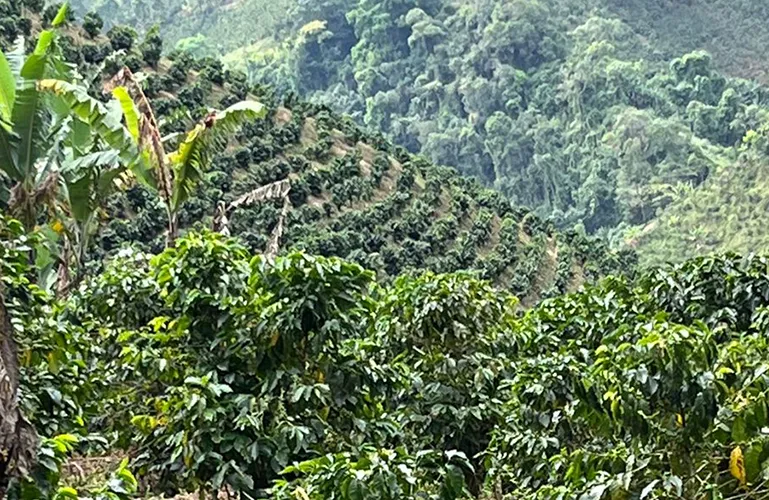
High in the mountains of Santuario, Risaralda, at approximately 1,900 meters—or 6,200 feet—above sea level, lies Finca La Esperanza. Surrounded by hillsides, streams, fruit trees, and plantain plants that provide shade for the coffee trees, the farm is located near Tatamá National Natural Park, one of the region’s most treasured natural areas.
The story of La Esperanza began long before the farm received its name.
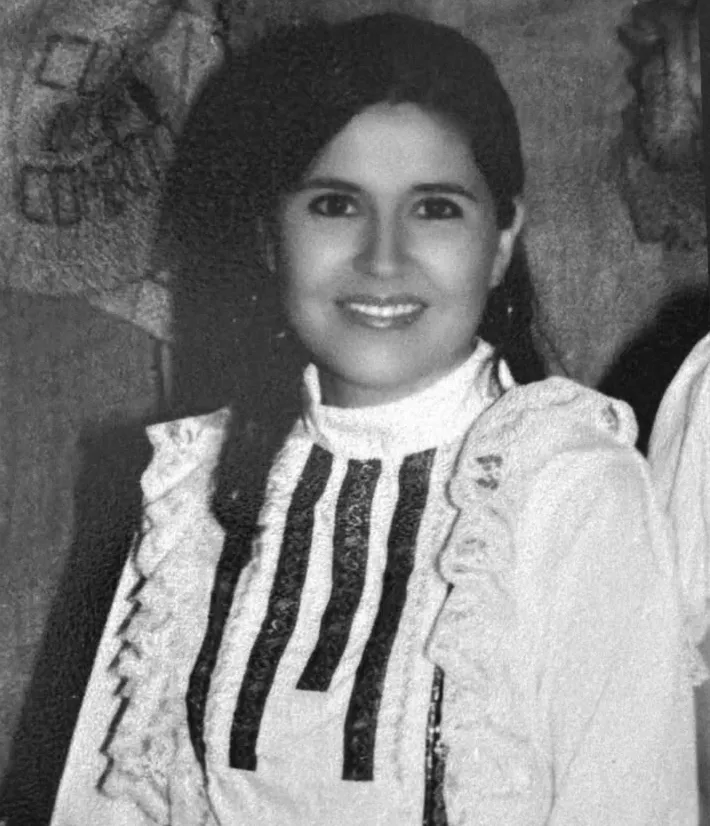
The property has remained in the Carmona family for approximately 150 years. Adriana’s paternal grandparents, Ramón Carmona and Rosa Pareja, passed it down to their son, Fernando de Jesús Carmona Pareja. Fernando chose to name it La Esperanza—The Hope—and has dedicated much of his life to preserving it.
For Fernando, the farm has never been merely a piece of property. It is his way of life, the place he protects, and a family inheritance he cares for as if it were one of his own children.
Yet the roots of this story go back even further.
Adriana’s great-grandparents left Andes, Antioquia, and began a journey toward the mountains of what is now Santuario. They traveled with their families and belongings on mules, opening trails as they moved forward. The youngest children were carried in baskets while mothers, fathers, and children crossed the mountains in search of a place where they could begin a new life.
They arrived with courage, perseverance, and hearts filled with hope.
In those mountains, they found fertile and generous land well suited for growing coffee. There, they helped open roads, establish families, and build a community whose identity and economy would become deeply connected to coffee farming.
Over time, coffee became a tradition passed down from one generation to the next. Fernando now represents the third generation of coffee growers in the family, while Adriana represents the fourth.
For the Carmona family, coffee is not simply a crop. It is a way of life, a family tradition, and an essential part of their identity.
In Santuario, much of the region’s agricultural activity and economy depends on coffee. The main harvests, which generally take place around April and May and again between October and November, are the result of months of work, care, and anticipation.
Every harvest depends on the land, the climate, and the work of many people coming together at the right moment.
COFFEE GROWN AMONG THE MOUNTAINS
At La Esperanza, coffee grows along the slopes of a high-altitude farm, surrounded by fruit trees and plantain plants that provide shade and help protect the coffee trees from direct sunlight and the strong mountain winds.
The cool temperatures and natural conditions of the region reduce the need for pesticides and other crop-protection treatments. The family also works to protect the surrounding forest, manage waste responsibly, and make appropriate use of the coffee pulp left behind after processing.
The farm grows Rosario, Caturra, and Arábigo coffee, which are brought together to create La Esperanza’s blend.
Fernando has worked to maintain a technically managed farm and to continually improve the quality of its crops. To do this, the family seeks professional guidance, conducts soil analyses, and follows recommendations from coffee cooperatives and agricultural organizations regarding plant care and coffee processing.
For them, every harvest is a new opportunity to learn, improve, and care for the land they inherited from their ancestors.
A HARVEST DAY AT LA ESPERANZA
During the harvest, the day begins long before sunrise.
At around four in the morning, Luz Piedad, the wife of the farm manager, begins preparing breakfast for the workers. They wake at approximately five, get ready, and drink a tinto—a traditional Colombian black coffee—before beginning the day.
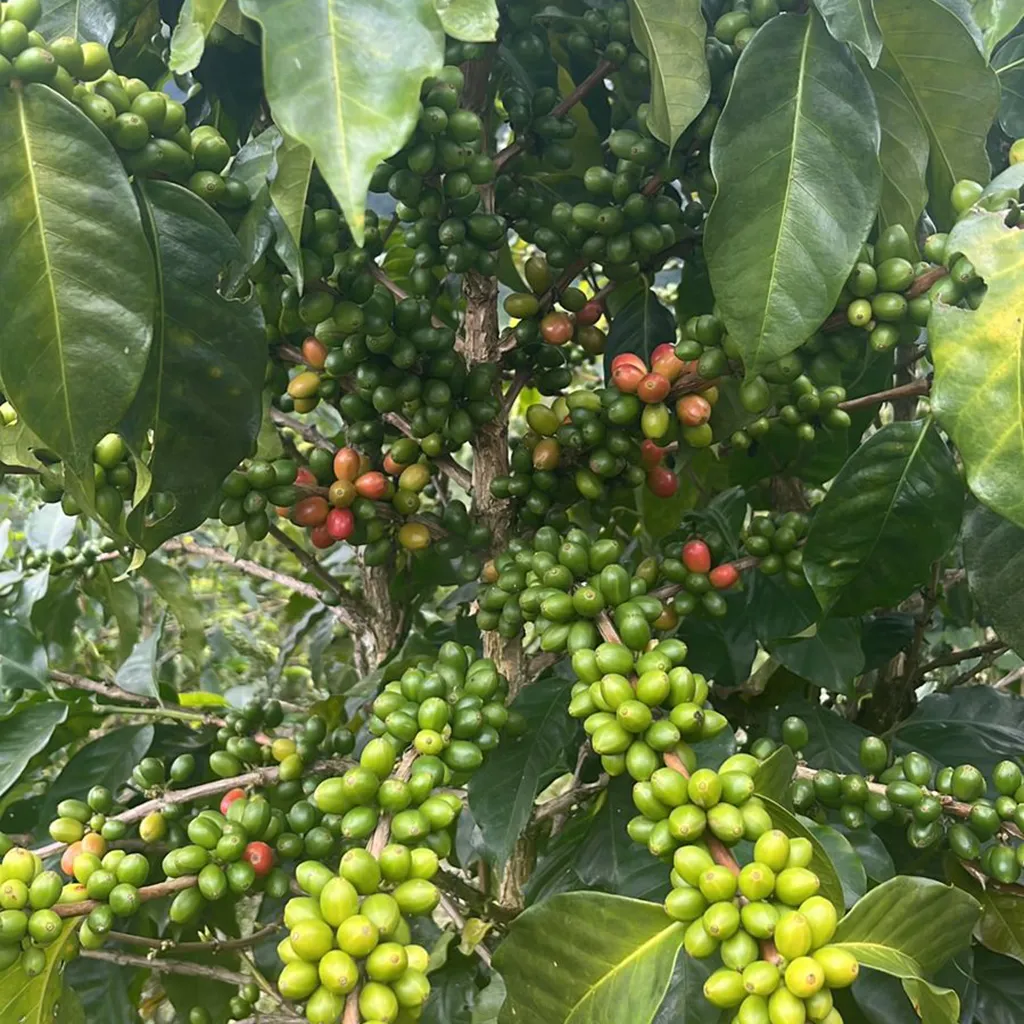
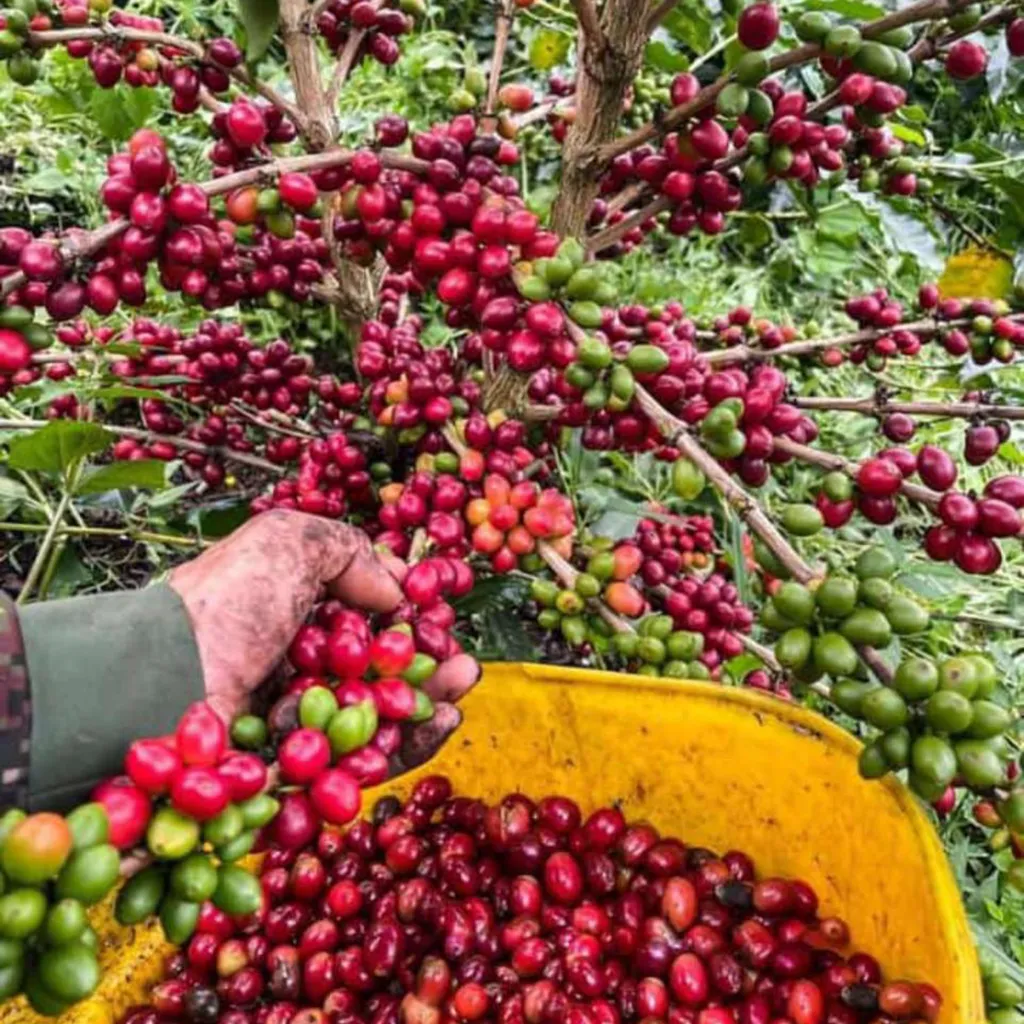
After breakfast, they head toward the coffee fields wearing their boots and hats and carrying their harvesting baskets. There, they walk along the slopes, carefully selecting the ripe coffee cherries.
The harvesting is done entirely by hand, one cherry at a time.
Before beginning, the pickers receive guidance on how to identify and collect only the fruit that has reached the proper stage of ripeness. This careful selection is an essential part of protecting the quality of the coffee.
At midday, the workers return to the farmhouse for lunch. Meals rich in protein and carbohydrates help them recover their energy before continuing their work in the afternoon.
The harvesting day ends at around four. The baskets filled with coffee cherries are transported from the fields to the processing area, sometimes by mule and other times in a Willys, the traditional jeep commonly seen throughout Colombia’s coffee-growing regions.
There, the harvested coffee is weighed, and records are kept of the kilograms collected by each worker and from each section of the farm.
Once the coffee reaches the processing area, a new stage begins.
The coffee is processed on the same day it is harvested. It undergoes a controlled fermentation that may last between 48 and 72 hours, depending on the characteristics the family wants to develop.
Afterward, the coffee is washed with clean water and dried in enclosed drying structures under controlled conditions rather than being exposed directly to the sun. It is then stored in sacks in a cool, dry place to protect its quality.
The family also sends samples to cupping laboratories, dry mills, or coffee cooperatives, where the aroma, flavor, and overall quality of the cup are evaluated. The results help them understand their coffee more deeply and identify opportunities to continue improving.
THE PEOPLE BEHIND THE HARVEST
The care given to La Esperanza is also reflected in the way the family treats the people who make each harvest possible.
Fernando works to provide fair and timely payment for every kilogram of coffee collected. Workers are paid at the end of the week and are provided with meals, lodging, bathrooms, and suitable places to rest throughout their time on the farm.
They also receive guidance on harvesting, drying, and caring for the coffee.
Some have worked with Fernando for five or even ten years. These lasting relationships have been built through respect, trust, and fair treatment. When a longtime worker faces a personal need, Fernando also tries to support them, sometimes by offering personal loans.
Most of the coffee pickers who come to La Esperanza belong to Indigenous communities from the region. During the harvest, some families remain near the farm while the adults work in the coffee fields.
At the end of the day, the children wait for their parents to return and, on some occasions, welcome them with music and dancing. These moments show that the harvest is not only an agricultural activity. It is also a time of connection, community, and gathering among families.
THE WORK BEHIND EVERY CUP
Life in coffee farming is filled with beauty, but it is also filled with uncertainty.
Coffee prices can rise or fall while the costs of fertilizer, labor, and processing continue to increase. The climate can also affect flowering and plant development. Periods of intense heat may dry out the crops, while changing rainfall patterns can disrupt the rhythm of the harvest.
Another major challenge is the shortage of available workers. During some seasons, there are not enough pickers, and part of the ripe coffee may fall to the ground before it can be collected.
The family also thinks deeply about the future of the next generation.
With every new generation, more people leave the countryside to live and work in cities. Keeping the farm alive means finding new ways to preserve the tradition and inspire future generations to continue caring for the land.
Perhaps that is why the name La Esperanza represents the story of this farm so well.
It is the hope that accompanied the family’s ancestors when they left Antioquia and crossed the mountains in search of a new land.
It is the hope of receiving, after months of work, a harvest capable of sustaining the families whose livelihoods depend on coffee.
It is the hope of improving with every crop, protecting the farm, and preserving a tradition that has remained alive for four generations.
Behind every cup of coffee from La Esperanza are early mornings, mountains, and paths opened across the land. There are pickers who select each ripe cherry by hand. There are families who have depended on coffee for generations and people who work so that every harvest can reach its destination.
There is discipline, uncertainty, pride, and love for the land.
And there is a family continuing to care for a farm that has been part of its history for approximately 150 years, with the hope that its story and traditions will remain alive for many generations to come.
LA ESPERANZA AND TASMIKA
For Tasmika, sharing the coffee of La Esperanza means much more than offering a product grown in Colombia.
It means building a direct relationship with a coffee-growing family, selecting a coffee that reflects their values, and bringing people closer to the land, the people, and the work behind every cup.
We are proud to work with Adriana, Fernando, and everyone who takes part in each harvest.
By choosing this coffee, Tasmika contributes to helping many families continue to find value in their work, while those who enjoy it receive something that rarely accompanies a cup of coffee: the opportunity to understand where it comes from, who cultivated it, and why its story deserves to be told.
